

AdWorld Businesses for Sale
Visit World Businesses for Sale
Thinking of selling your business? Buy or sell a business locally, nationally or worldwide. 10% off with code AWN10.
The full story behind my Short: A Neurology study of 294 people with mild to moderate Parkinson's found that those active more than eight hours a week showed almost no decline on a memory and thinking test, and their movement symptoms slightly improved. It shows an association, not cause.
Eight hours a week: that's how much physical activity was linked to almost no memory decline in Parkinson's. A study published in Neurology followed 294 people with mild to moderate Parkinson's, average age 66. They reported how many hours a week they were active at work, at home and in hobbies, from brisk walking, doubles tennis and swimming to vacuuming or mowing the lawn. Each year they took a 30-point thinking and memory test (the MoCA). The least active (up to four hours a week) lost about half a point a year (0.48); those active four to eight hours lost 0.09, and those active more than eight hours lost just 0.007. Movement symptoms slightly worsened in the least active group but improved on average in the two more active groups. Memory was tracked for up to five years and movement for up to seven. Caveat: this is an association, not proof that activity slows Parkinson's; activity was self-reported and most participants started with good memory and thinking (Ryu et al., Neurology, 2026).
Dong-Woo Ryu, MD, PhD, of the University of Cincinnati, Alberto Espay, MD, and colleagues followed 294 people with mild to moderate Parkinson's disease, with an average age of 66. Participants reported their weekly physical activity across work, household chores and leisure, including brisk walking, doubles tennis, swimming, vacuuming and mowing the lawn, and were grouped by up to four hours, four to eight hours, or more than eight hours a week [1][2].
Thinking and memory were measured once a year with the Montreal Cognitive Assessment (MoCA), scored out of 30, for up to five years. Average yearly change was −0.478 points in the least active group, −0.090 in the middle group and −0.007 in the most active group [1][2].
Movement symptoms were assessed with the MDS-UPDRS part III (0–132, higher is worse) for up to seven years. Scores worsened slightly in the least active group (+0.14 points a year) but improved on average in the four-to-eight-hour group (−0.23) and the more-than-eight-hour group (−0.78) [1][2].
AI voice note: the narration in this Short is my own voice, cloned with AI.
This is an observational study: it shows an association, not proof that activity slows Parkinson's. Activity was self-reported, and most participants had good memory and thinking at the start. Memory (MoCA) was followed for up to five years and movement for up to seven, not seven years for both. The narration rounds −0.478 to “about half a point”. The study was funded by the Gardner Family Foundation. All photos are illustrative, from Wikimedia Commons (credited below).
Eight hours a week. That's how much activity was linked to almost no memory decline in Parkinson's. A new study in Neurology followed 294 people with mild to moderate Parkinson's, aged 66 on average. They reported how many hours a week they were active, at work, at home, and in their hobbies. That included brisk walking, doubles tennis and swimming, but also vacuuming or mowing the lawn. Every year, they took a thirty-point test of thinking and memory. The least active, up to four hours a week, lost about half a point per year. But here's where it gets interesting. Those active more than eight hours a week lost almost nothing. And their movement symptoms didn't just hold steady. On average, they slightly improved. Memory was tracked for up to five years, and movement for up to seven. The big caveat: it's an association, not proof that activity slows Parkinson's. Hours were self-reported, and most started with good memory. Still, the researchers say small yearly differences can add up, so staying active may matter. Follow the link to the main website for much deeper information.
Images via Wikimedia Commons (illustrative): Old couple walking.jpg (Anish Anilkumar, CC BY 4.0); Lawn Mowing DVIDS119604.jpg (Staff Sgt. Brian Jopek, Public domain); Old man with a walking stick (1504656).jpg (Geoff Charles, CC BY-SA 4.0); Elderly Shanghai woman practices tai chi.jpg (Tom Thai from shanghai, china, CC BY 2.0); Older couple walking down the coastline at winter.jpg (Rhode Elaine, U.S. Fish and Wildlife Service, Public domain). Sketches and animation: my own. Narration: AI clone of Nasper Mushonga's own voice (Chatterbox TTS by Resemble AI, MIT licence), used with his consent.
AdWorld Businesses for Sale
Thinking of selling your business? Buy or sell a business locally, nationally or worldwide. 10% off with code AWN10.
AdBorn Active
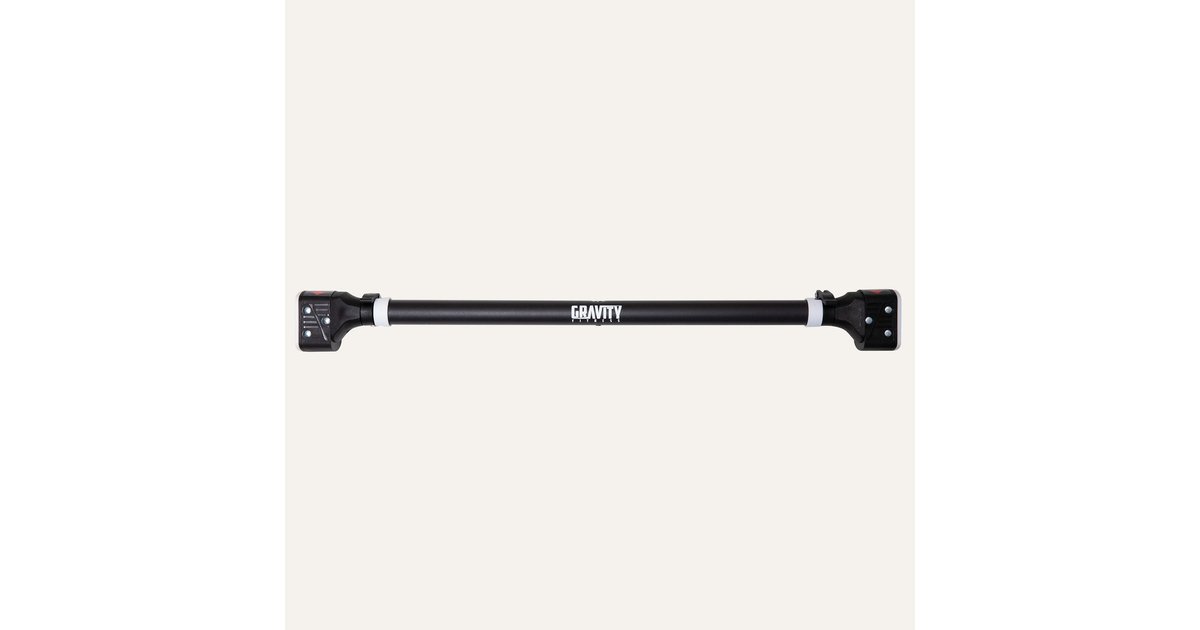
A doorway pull-up bar for bodyweight training at home.
Shop nowAffiliate link, I may earn commission.

AdSharper Image
US$119.99 (USD)
Four-head percussion massage for sore muscles after a workout. US store, ships from the US.
Shop now#Ad / affiliate link, I may earn commission.