
Garden, outdoor power & home tools
Lawn mowers, outdoor kit and cordless home gadgets, in plain English.
About this page
I'm Nasper, based in Taunton, Somerset. I make short videos about farming, soil and nature: cover crops, no-till planting, native grasses and the life underground.
Gardens are where most of us look after soil day to day. This page covers what to check when choosing a lawn mower, outdoor power equipment, cordless garden tools and home gadgets such as cordless vacuums, plus lawn habits that are kinder to the soil. It's general guidance, not product reviews.
Cordless garden tools, outdoor power & home gadgets
Battery tools are quieter than petrol, need no fuel or pull-cord, and have no cable to trip over or cut through. Here is what to check before you buy a lawn mower, outdoor kit or cordless home gadget.
Choosing a cordless mower
- Match cutting width to your lawn. A narrower deck suits small or awkward lawns; wider decks save time on bigger ones.
- Check the height range. Easy height adjustment lets you cut higher in summer and in dry spells.
- Look for a mulching option. Mulching chops clippings fine and drops them back on the lawn, returning nutrients to the soil.
- Think about weight and storage. Folding handles and lighter decks matter if you carry the mower up steps or keep it in a small shed.
- Runtime. Check whether one charge covers your lawn, or whether you'd need a second battery.
Choosing a hedge trimmer
- Blade length: longer blades reach further on wide hedges; shorter blades are lighter and easier to control.
- Tooth gap: this sets the thickest stem it can cut. Match it to your hedge, and use loppers for anything thicker.
- Weight and balance matter more than raw power for comfort over a long session. For tall hedges, a pole trimmer can be safer than a ladder.
- Mind nesting birds. It is an offence to damage an active nest. The RSPB advises avoiding hedge cutting from March to August, so check before you trim.
Choosing a leaf blower
- Blower or blower-vac? A vac/mulch mode collects and shreds leaves, which is handy for compost or leaf mould.
- Noise: battery blowers are usually quieter than petrol, which your neighbours will appreciate.
- Use it where it helps. Clear paths, patios and drives. On beds and borders, fallen leaves make a free mulch that feeds the soil and gives wildlife winter cover.
- For small spaces, a rake may be all you need.
Battery platforms
- Pick one platform. Most brands use one battery across their mower, trimmer, blower and more, so a single battery and charger can run several tools.
- Voltage vs amp-hours: voltage roughly tracks power; amp-hours (Ah) roughly track runtime.
- Check the range before committing, so the tools you might want later are available on the same battery.
- Tool-only vs kit: once you own a battery, "bare" tools sold without one are often the cheaper way to expand.
Cordless vacuums and home floorcare
- Same battery as outdoor tools? Some brands share one battery across vacuums, mowers and garden tools, which can cut cost if you already own that platform.
- Runtime and bin size. Check whether one charge and one empty covers your usual clean, or whether you'll stop mid-job.
- Floors matter. Soft carpets need good suction and a powered brush; hard floors often need a soft roller so you don't scratch them.
- Emptying. Bagless bins are common; look for a design that empties without a big dust cloud if that bothers you.
- Weight and reach. A lighter stick and a flexible hose or wand make stairs and under furniture easier.
Outdoor power equipment
- Match the tool to the job. A domestic pressure washer suits patios and cars; heavier patio or farm jobs may need more flow and pressure.
- Battery, mains or petrol. Battery suits light garden work and short runs; mains is fine near a socket; petrol still wins for long remote jobs and larger generators.
- Noise and neighbours. Quieter kit is kinder on a Sunday morning. Check stated noise figures if you live close to others.
- Strimmers and brushcutters. Line heads suit grass edges; metal blades need more care and the right guard. Always wear eye protection.
- Generators. Size them to the kit you actually need to run, leave headroom, and store fuel safely outdoors away from living spaces.
Storage and care
- Store batteries indoors, somewhere dry and frost-free, not in a cold shed over winter.
- Follow the maker's storage advice. Many recommend storing lithium-ion batteries part-charged rather than full or flat.
- Clean after use: brush grass off mower decks and wipe hedge-trimmer blades. A light oil on blades helps stop rust.
- Keep blades sharp. A clean cut is better for the grass and uses less battery.
Lawn care that's good for the soil
- Mow high, little and often. Taking off no more than about a third of the blade at a time keeps roots deeper and the soil shaded.
- Leave clippings. Mulched clippings break down fast and return nutrients to the soil.
- Don't mow or walk on soggy lawns. It compacts the soil and squeezes out the air that roots and soil life need.
- Relieve compaction. Spiking worn areas with a garden fork lets air and water back in.
- Leave a patch to grow. An uncut corner or strip lets wildflowers bloom for bees and other pollinators.
- Go easy on chemicals. Earthworms, fungi and microbes do a lot of the work of keeping soil healthy.
My soil & grass Shorts

They sow a cover crop by hand. That is regenerative farming for soil health.
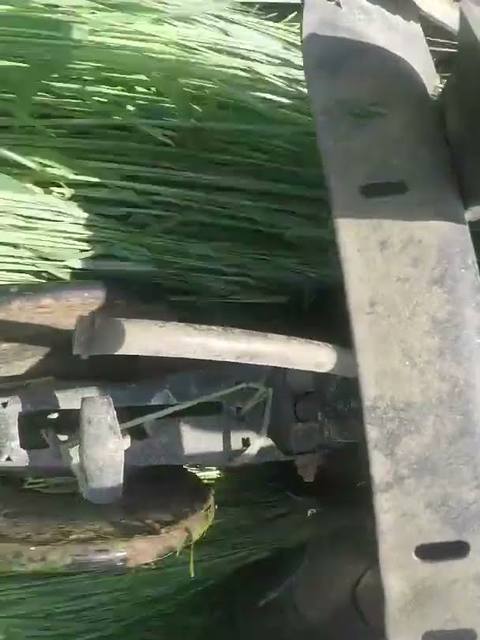
Farmers plant without ploughing. That is regenerative farming for soil health.

Bee on wildflowers. Regenerative farming for soil health.
Disclosure
No paid or affiliate links on this page right now. If I add any, they'll be clearly labelled Ad. Affiliate links.